What the Journey Carried to Get Here.

The Invitation Before the Company
The Ubuntu Human Development Company did not begin with a company name. Long before The UHDC was imagined, an invitation was already taking shape in the life and work of its founder, Dumi Senda — known to many as Coach Dumi: to use story, relationship, reflection and service to help people encounter one another more fully, and to bring lived experience into conversation with the systems and institutions that shape it.
This is not only the story of how a founder created a company. It is the story of how an invitation travelled through lived experience, storytelling, peacebuilding, education, coaching and organisational life before finding a wider home.
An Education in Dignity, Work and Visibility.

What Dumi learned about being seen in organisational life, he first learned by going unseen within it. It shaped his belief that feeling seen isn't about being in a perfect organisation. It's about being part of shaping the one you're in.
Born in Zimbabwe and later making a life in the United Kingdom, Dumi spent ten years working as a labourer. Those years became part of his education in dignity, work, visibility and power — teaching him what it feels like to contribute from parts of an organisation that seem distant from where decisions are made, and how easily knowledge and human value can remain unseen when recognition depends too heavily on position or title.
People do not become valuable when an institution learns how to recognise them. They already carry knowledge, experience and purpose — often long before their environment learns how to see it.
Story…
…as a Meeting Place
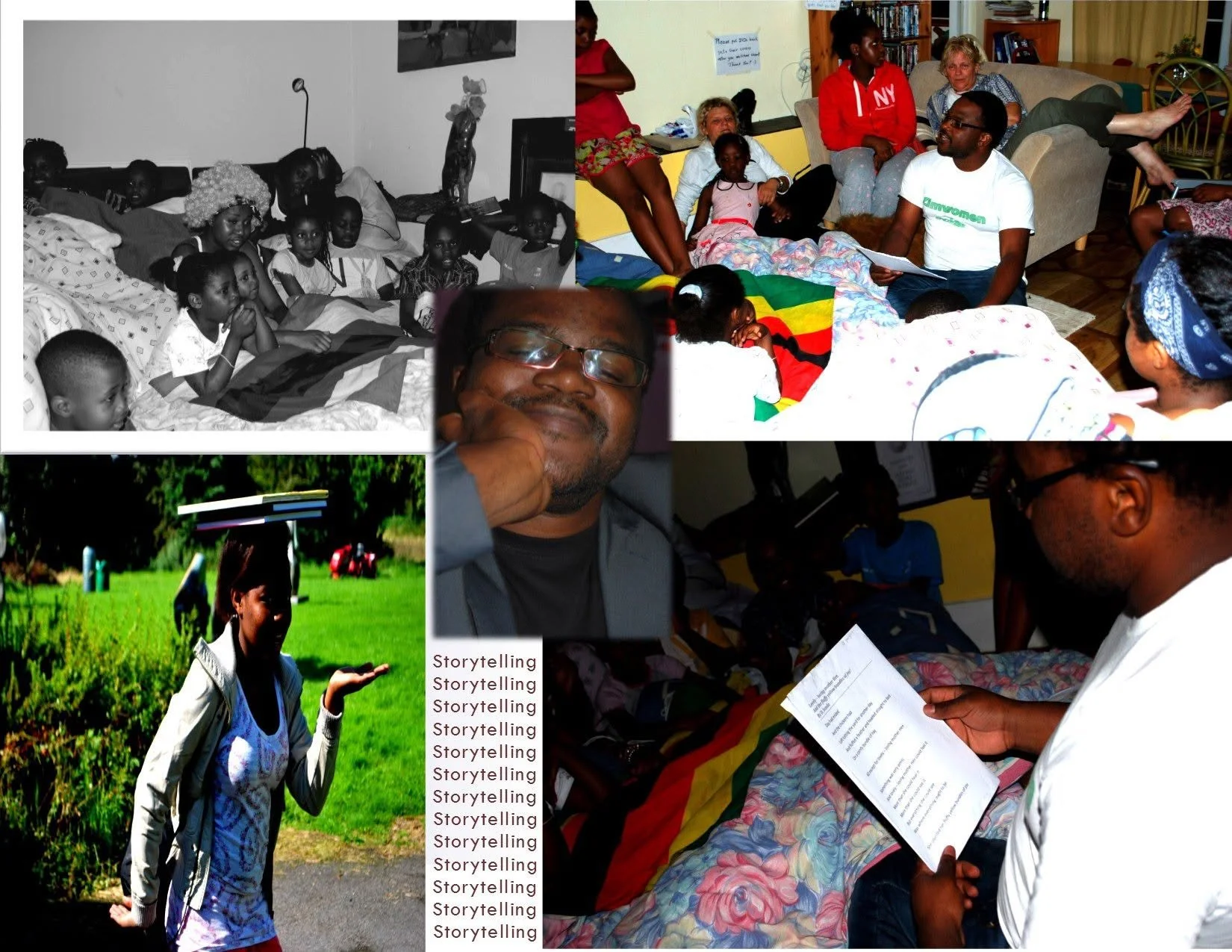
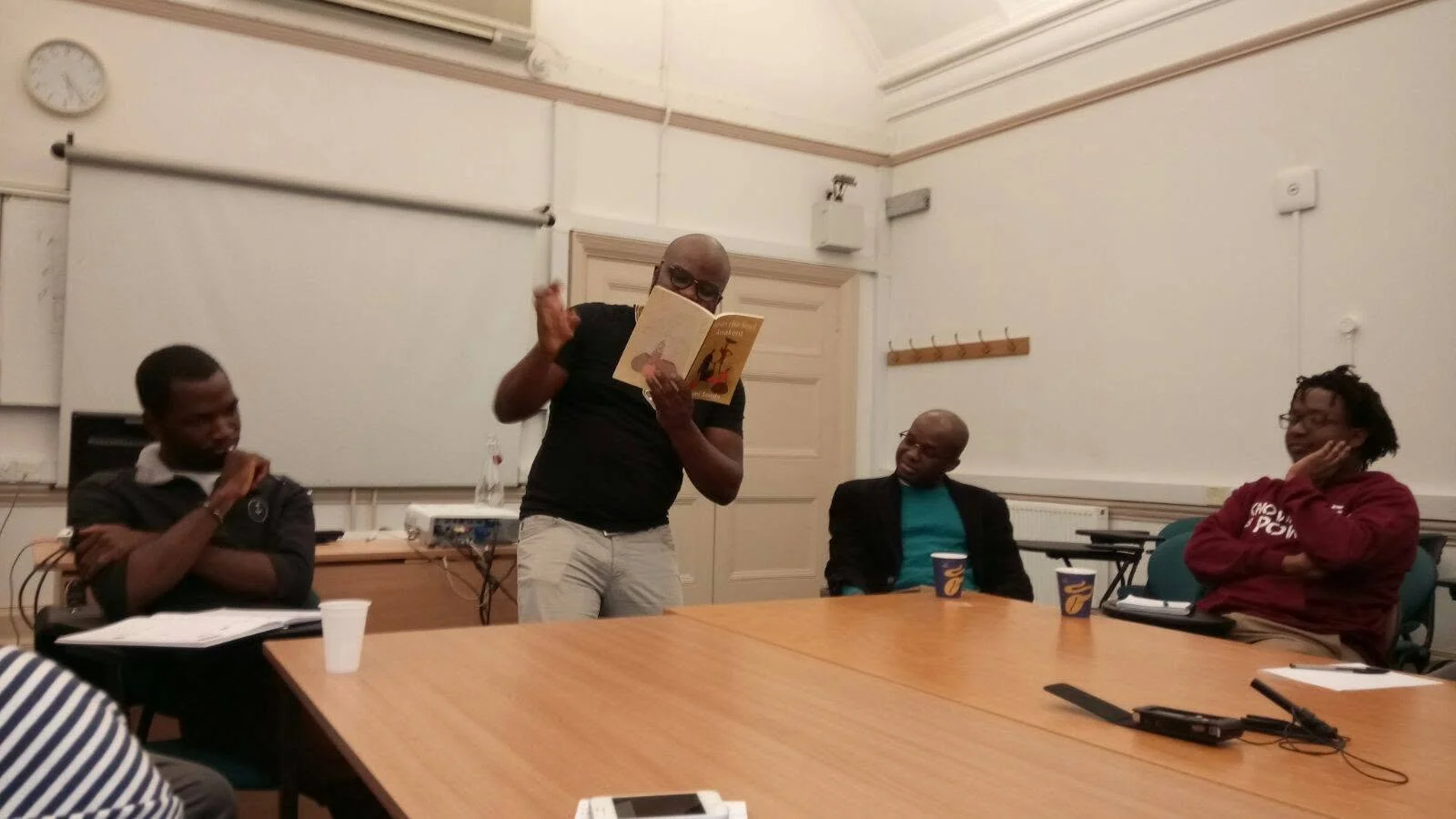
Storytelling became one of Dumi's earliest ways of serving and connecting. At an international peace gathering in Sarajevo, he led a Poetry for Peace workshop grounded in Ubuntu — arriving ready to share African history and lived experience, but equally eager to learn from young people growing up in that city. The learning travelled in both directions. Story became a bridge: an invitation to approach unfamiliarity with curiosity and let an encounter enlarge everyone involved.

That thread later entered a different landscape at the United Nations Human Rights Council in Geneva, where storytelling met advocacy and institutional power. The experience posed a lasting question: what happens after an institution listens — and how does advocacy stay accountable to the people whose stories it carries?
Learning to Name Power.
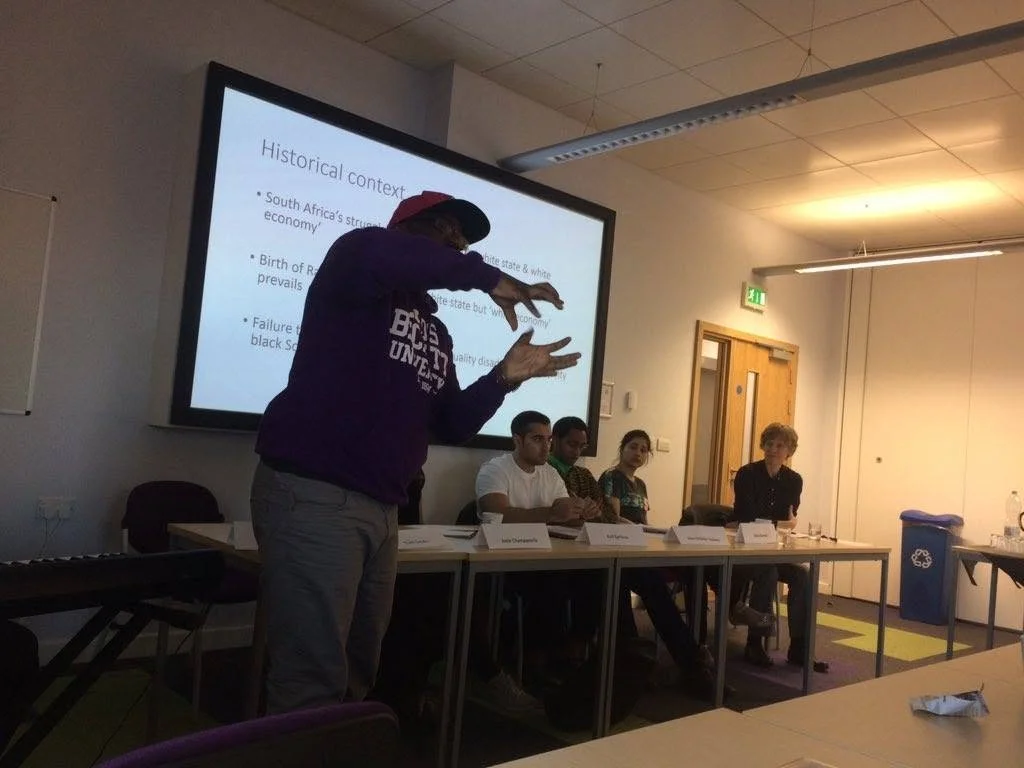
Formal study gave Dumi new language for what these encounters had begun to reveal. Through International Relations and Peace Studies at Leeds Beckett University, he examined how power operates within people, between people and through institutions — Power Over, but also Power With, Power To, and Power Within. Further study in African Studies at the University of Oxford opened another landscape for exploring identity, leadership and African thought.
Both institutions stretched his thinking. Neither manufactured the value of the journey — they helped name and deepen an invitation already being lived.
The Invitation Enters Organisational Life.
Learning to steward journeys in an institutional context.
That invitation continued into organisational life: widening access for underrepresented students at SEO London, learning and development work at Righttrack Learning, and strategic work in inclusion and belonging across BBC England.
In addition to these roles, experience delivering consultancy across global and multi-sector settings, involving coaching leaders, designing learning experiences and facilitating team conversations, a deeper question began to emerge — what if wellbeing, leadership, inclusion and culture aren't separate concerns, but expressions of one interconnected human and organisational terrain?
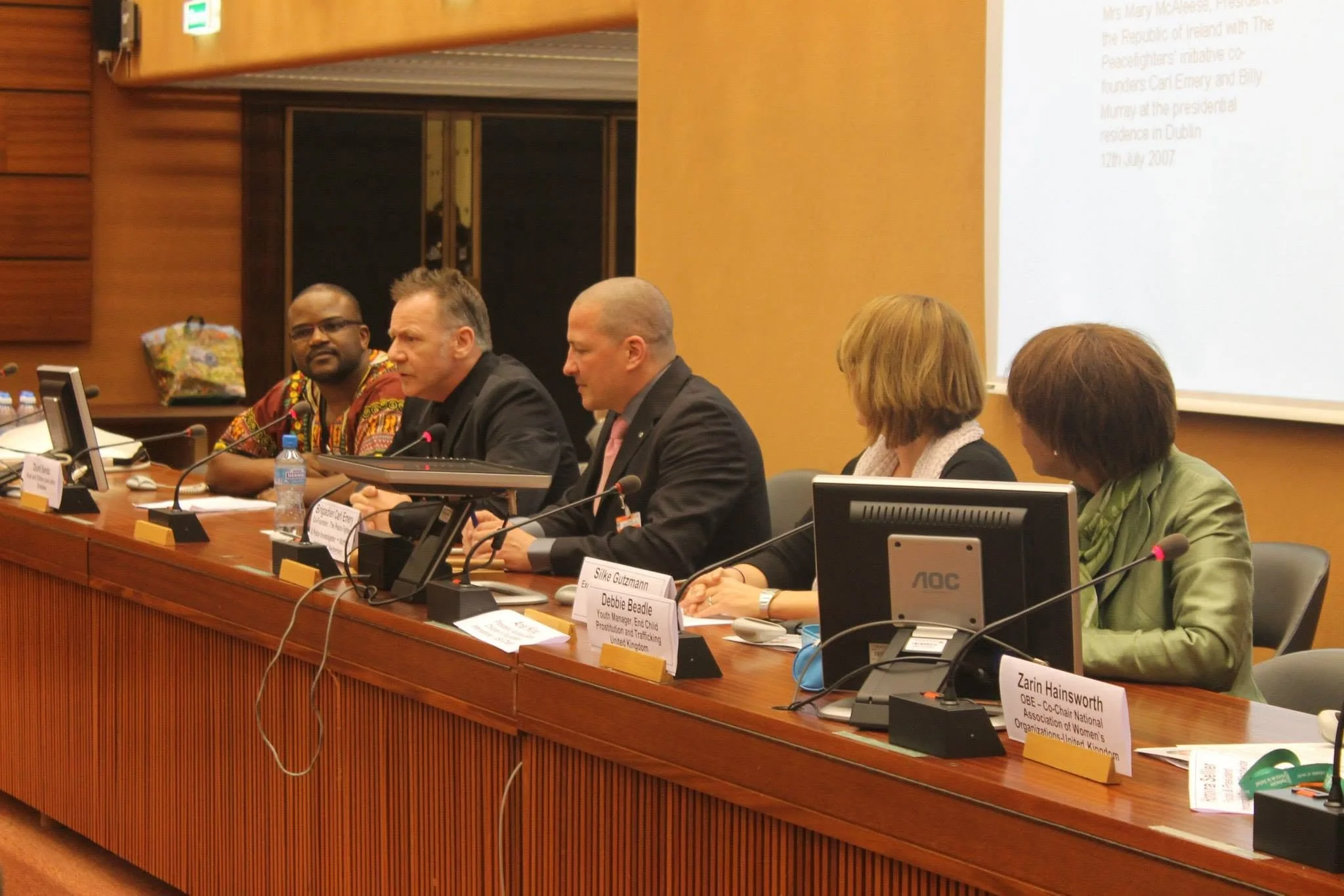
UNHRC Panel, Geneva.
Ubuntu as a Living Orientation.
Ubuntu offered a way of entering that question — not a neat answer. It invited an understanding of development grounded in relationship: that people become through one another, that individual and organisational flourishing are interdependent, and that service is most authentic when it honours the agency of everyone involved. From this came a commitment to design and steward human development with — not for — people and organisations.
The UHDC carries forward the work previously stewarded through Dumi Senda Ltd, opening it into a wider shared endeavour. It is not intended as a monument to its founder, but as a company capable of holding an invitation larger than any one person:
a place where practitioners, organisations and their people can reimagine human development together;
where lived experience can inform organisational choices without being extracted or diminished;
where power can be exercised with greater awareness and accountability;
where organisations can cultivate the conditions through which their people and shared purpose may flourish.
When the Invitation Became a Company.
Dumi's role within the company is not to stand as the sole authority on other people's development, but to steward the invitation — bringing accumulated experience into relationship with the knowledge and realities held by others.
An Emergence and a Remembering.
The UHDC gathers lessons carried through labour, poetry, peacebuilding, advocacy, education and organisational leadership, and brings them into a shared endeavour for the future. Its history is not defined by the institutions Dumi has entered or the titles he has held — those are meaningful tributaries within a longer river of service and learning.
The deeper story is the invitation itself: to help create spaces where people can be more fully seen and heard, to bring lived experience into responsible conversation with organisational power, and to explore what becomes possible when people and organisations learn to flourish together.
The company begins not with a claim to have arrived, but with a willingness to continue becoming through relationship.
Meet Dumi, the Founder.
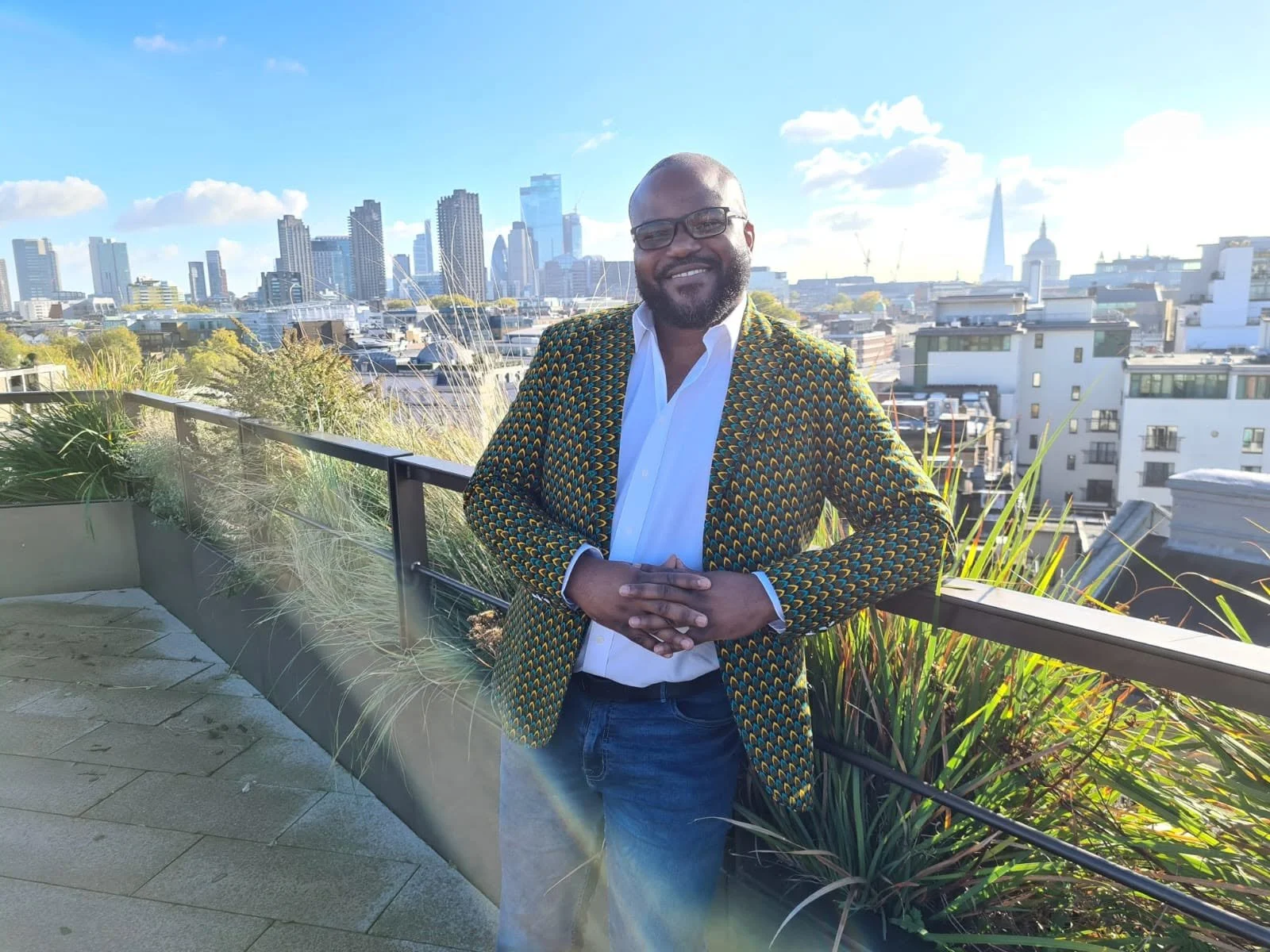
The same instinct for bringing people together carries into his community work: performing poetry in Wales, facilitating storytelling and African traditional food-sharing sessions in St Albans, leading storytelling for children's groups in Birmingham, and serving as a team leader for the National Citizen Service. He also served as President of the Oxford Black Alumni Network (OxBAN), continuing the university's work to widen access for students of Black heritage, before recently stepping back to give others the opportunity to carry that work forward.
Dumi returned to university at 33, studying alongside people a decade younger, and graduated top of his department with two Dean's Special Awards from Leeds Beckett University in International Relations and Peace Studies—where he began formally naming what experience had already taught him about power—before completing an MSc in African Studies at the University of Oxford. He is an ICF-certified coach, a 2024 LinkedIn Teambuilding Top Voice, a LinkedIn Learning Instructor, and a contributor to the Penguin-published Everyday Ubuntu: Living Better Together, the African Way, which carries a foreword by Desmond Tutu. His work has been recognised with the Zimbabwe Achievers Male of the Year Award and as the first-ever winner of the “Future of Leadership” DEI Award in South Africa—recognition he holds less as personal achievement than as evidence of what becomes possible when people are given room to contribute.
Within The UHDC, Dumi's role is not to stand as the sole authority on other people's development, but to convene, design and steward human-development journeys with—not for—people and organisations. His mantra remains simple: never let your background keep you in the background.
The Invitation Remains Open
The story of The UHDC is still being written.
Dumi Senda—known to many as Coach Dumi—is a coach, facilitator and organisational-development practitioner whose understanding of power was shaped long before he held any title to name it. Ten years working as a labourer in the United Kingdom taught him what it feels like to contribute from parts of an organisation that seem distant from where decisions are made, and how easily knowledge and value go unseen when recognition depends on position rather than presence. That understanding is what he has carried into every room since.
He currently serves as Diversity, Inclusion & Belonging Portfolio Lead for BBC England, driving workplace culture transformation across a remit of six super-regions, 3,000+ staff and 45+ million audiences. Before the BBC, he was Head of Student Attraction and Alumni Engagement at SEO London, where in a single year he grew the organisation's LinkedIn following more than threefold, nearly tripled annual student applications, and organised a UK & Europe student leadership conference for over 100 university society presidents hosted at Goldman Sachs and Baker McKenzie.
Across these roles, Dumi has helped organisations examine how power moves through them—who holds it, who is asked to work at a distance from it, and what changes when that distance is named rather than assumed. This has taken the form of coaching leaders, shaping people and culture strategies, and consulting for organisations worldwide as they move from identifying opportunities for improvement to implementing more inclusive cultures and systems.
That work has carried him to platforms including a keynote for the Bank of England, a panel at the United Nations, a career development programme with Google, and an invitation to 10 Downing Street in recognition of his work empowering underrepresented employees to progress and prosper.