
CREATIVITY
PARTNERSHIP
From Possibility to Shared Impact.
TRUST
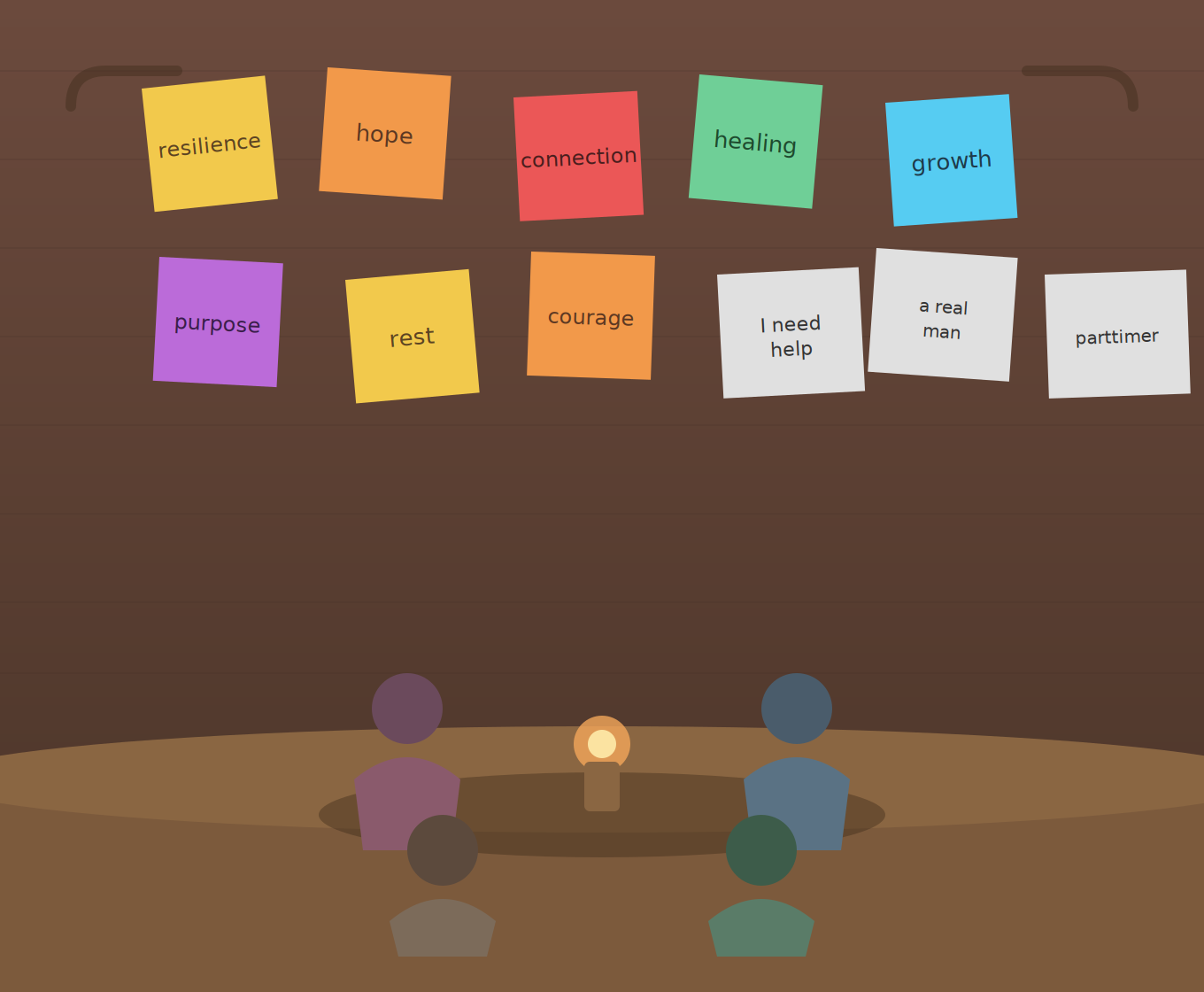
Umuntu ngumuntu ngabantu — a person is a person through other persons. This wisdom shapes how we begin every partnership.
Beginning in Relationship
·
Growing Together
·
Journeying to What We Build
·
Beginning in Relationship · Growing Together · Journeying to What We Build ·
Invitation into Shared Stewardship.
You do not need a completed brief, a chosen Journey or a defined Engagement to approach The UHDC. You may carry a clear organisational priority, a pattern you’re noticing, or simply a sense that something is ready to be explored differently.
We begin by creating enough clarity to choose responsibly — without forcing a solution before the terrain is understood. Our way of working stays structured enough to make purpose, participation, responsibilities and investment visible, while remaining responsive enough for understanding to deepen as we travel together.
Not every conversation becomes a commission. Where a partnership does move forward, each commitment is made with greater clarity than the one before it.
Before We Work Together.
1. Begin with a Possibility Conversation
The initial Possibility Conversation is complimentary and exploratory. You might bring a clear priority, an emerging tension, a Journey that already feels relevant, or simply a hope not yet shaped into a brief.
Together, we begin to explore:
What are you noticing, and why might it matter now?
What have you already tried or learned?
Who may be affected or need to participate?
What do you hope might become possible — and what might a proportionate next step be?
This is not a diagnosis or a commitment to commission — it is a first opportunity to listen and discern together.
This conversation stays at an organisational level. Identifiable employee details, health information, or confidential grievance, disciplinary or safeguarding material should not be shared here.
2. Discern Fit & Readiness
A responsible partnership needs more than thematic alignment. Together, we consider whether there is enough fit, readiness and shared purpose to take the next step — including whether:
the possibility sits within The UHDC’s experience and responsible scope;
the organisation is willing to approach the work with—not for—its people;
appropriate sponsorship, time and support can be made available;
the timescale suits the work, and there is capacity to hear what the Journey reveals; and
the relationship can hold honest, constructive collaboration.
Readiness doesn’t require every answer to be known — only enough willingness and shared purpose to proceed responsibly. Sometimes another practitioner or process offers a better route, and we’ll name that honestly. Equally, you are free to decide the time isn’t right, or that we’re not the right partner.
3. Choose the Proportionate Scoping Route
Not every possibility needs the same depth of discovery. Some are focused enough for a wider Engagement to be proposed straight away; others need deeper exploration first. There are two routes.
Route A — Possibility Scoping within the Engagement
Where the Journey and likely Engagement depth are already clear, focused Scoping becomes the opening movement of the commissioned Engagement itself — with assumptions and review points made transparent from the outset.
Route B — A Separate Possibility Scoping Phase
Where the possibility is more complex, a separate Scoping phase may come first — stakeholder conversations, proportionate listening and exploration of the question at hand. Its purpose, outputs, timing and investment are agreed before it begins. Possibility Scoping doesn’t oblige you to proceed further, nor guarantee we’ll recommend that you do.
Both routes protect the same principle: structured discovery is valuable commissioned work — never activity hidden within the complimentary conversation.
4. Shape the Journey
A Journey is a structured, co-designed path through which people and organisations explore a human or organisational need together. It begins through one of five doorways:
Systemic Wellbeing · Relationship Health · Inclusive Leadership · Career Progression · Values-Aligned Culture
The initial doorway gives focus; inquiry may reveal connections elsewhere, but the Journey stays coherent rather than becoming a collection of unrelated activities. At a proportionate level, we explore the central need, what meaningful movement looks like, whose participation and experience matter, the conditions and boundaries the work must hold, and how learning might travel into everyday organisational life.
The UHDC brings structure, facilitation, coaching and stewardship. You bring purpose, context and lived experience of the terrain. The Journey is shaped with — not for — those who will travel it.
5. Agree the Engagement
Once the Journey is understood, we consider the depth of partnership it needs:
● Foundation Engagement — a focused, bounded partnership.
● Deepened Engagement — an extended partnership for participation, practice and learning.
● Integrated Engagement — a sustained partnership connecting multiple layers of organisational life.
The right Engagement is shaped by purpose, complexity, reach, readiness and the legacy the Journey may need. The aim is never the largest commission — it is the smallest responsible Engagement capable of helping the Journey take root.


6. Proposal and Commission.
Once the Journey and Engagement are clear, The UHDC prepares a written proposal — making visible the context, proposed Journey and depth, participants and responsibilities, approach, rhythm, boundaries, evaluation and legacy, investment, and any relevant assumptions.
The proposal is an invitation to further conversation, not a substitute for it — questions and tensions can still be explored, and the proposal revised transparently where scope, depth or investment materially change. Commissioning happens only once responsibilities, boundaries, terms and investment are understood and agreed by both.
From an emerging possibility to the legacy that remains:
Possibility Conversation
Shape the Journey
Prepare the Conditions
The Journey at a Glance.
Discern Fit
Agree the Engagement
Journey Together
Choose Scoping Route
Proposal & Commission
Harvest Growth & Legacy
The path is not always linear. New understanding may invite us to revisit a question, refine scope, or pause — the structure holds without removing inquiry or mutual choice.
How We Journey Together.
Five Movements of a Commissioned Journey
Every commissioned Journey moves through five connected movements.
Their emphasis varies by Journey and Engagement depth, but together they offer a shared architecture — without becoming a rigid sequence.

Preparing the Conditions
What does this Journey need to hold it?
A commissioned Journey begins before the first facilitated experience. Together, we prepare the conditions surrounding it — sponsorship and governance, communication, accessibility, confidentiality and care. Preparation is part of the Journey itself: the conditions people return to shape what they can safely and meaningfully invest. The aim is to begin with clarity, care and shared ownership, not just on schedule.
Possibility Scoping
What might be calling for attention?
Scoping explores the need, tension or hope around which the Journey is forming, building enough shared understanding of the terrain, participation and capacity to begin responsibly. It may already have happened as a separate phase, or form the Engagement's opening movement. It doesn't claim to know everything before we begin — it helps us begin well.
Harvesting the Growth and Legacy
Co-designing the Journey
How might we shape it together?
Co-design brings organisational purpose into conversation with the knowledge and lived experience of those who will travel the Journey. Not everyone designs every element, and co-design doesn't mean every preference is adopted — it means relevant perspectives genuinely inform the work, and decisions are made visible. The UHDC holds responsibility for the integrity of the architecture it stewards; the organisation holds responsibility for decisions within its authority. Co-design lets those responsibilities meet in relationship.
Stewarding the Experience
What might become possible?
A Journey creates space for story, learning, coaching, reflection, challenge and application. Stewardship asks more than whether an activity happened — it attends to how people are received, what's emerging, and how care and challenge are held together. Participants remain active contributors to the Journey, not recipients of an intervention performed on them.
What do we carry forward?
Harvesting makes space to notice what's being learned — what's shifting, what conditions support or constrain movement, what remains open, and what capability can be strengthened before The UHDC steps away. Evaluation is shared learning, not proof that one intervention caused every change — outcomes are shaped by many forces and can be supported, but never guaranteed. Legacy doesn't mean keeping a Journey alive indefinitely; it may mean sustaining a practice, strengthening capability, or bringing the work to a thoughtful close.
How We Hold the Partnership.
The process matters. So does the relationship that holds it.
The following Four principles steward every partnership.

This is not an automatic sales sequence. At each stage, either party may proceed, pause, reshape or conclude. A responsible not yet can matter as much as a yes.
Each commitment is made with greater clarity than the last. Material changes are discussed and agreed, never quietly absorbed. We seek the partnership the Journey needs — not the largest one available.
The UHDC doesn't arrive as the sole holder of knowledge. We bring architecture and facilitation; you bring purpose, context and lived experience. Responsibility is shared — never blurred.
A Journey should strengthen your people's capacity to keep learning, relating and practicing beyond our presence. We build capability, not dependence — knowing when to journey alongside, and when to step away.
Beginning in Relationship.
Growing Together. Journeying to What We Build.
Growth does not begin when we stop needing others. It begins when we learn to participate more fully in the relationships that sustain our shared becoming.
Where Might Your Journey Begin?
You may already recognise the terrain calling for attention. You may still be listening for the question. Either is enough for a first conversation.
A complimentary Possibility Conversation creates space to explore what you’re noticing, what you hope might become possible, and whether The UHDC could responsibly journey alongside you.
Umuntu ngumuntu ngabantu — none of us walk this alone.