
Investing in What Matters.
Reimagining People Development, Together.
What happens when people develop — but their organisation doesn't? What becomes possible when both develop together?
Keynote
✳︎
✳︎
✳︎
Investing in What Matters
✳︎
✳︎
✳︎
Keynote ✳︎ ✳︎ ✳︎ Investing in What Matters ✳︎ ✳︎ ✳︎
Why this keynote. Why now.
Many organisations and their people are living through real change right now.
Teams are being reshaped. Roles are being lost. Budgets are stretched thin.
Neither can reasonably carry on as before.
Here's what that can look like, close up.

2025
Two Films. One Organisation.
Picture two films of the same organisation, shot on two different days. Nothing staged — the camera simply left to notice ordinary life.
In the first, the day looks much like any other: targets, briefings, moments of real warmth. And somewhere, someone is carrying something nobody else can see. A manager asks, “How's it going?” “Fine.” The moment passes.
In the second, little has changed on paper — same targets, same pressures — and yet something feels different. “How's it going?” “Fine.” A moment lapses. Then: “Are you sure?” This time, the conversation doesn't end quite so quickly.
Nothing in either film needs condemning. Both are simply an organisation seeing itself.
So — what changed?

The question beneath the question
Much of what we call people development invites people to learn something new: lead differently, communicate differently, build new capability. Valuable — but it can leave people with a reasonable question: why bother? What will actually be different once this is over?
Elsewhere in the same organisation, a different question is often taking shape: why isn't our investment making the difference we hoped it would?
Different questions, different vantage points. Perhaps they meet at a more fundamental question, seen from two sides: what happens when people develop, but the organisation around them does not? What becomes possible when both develop together?
Seeing the whole organisation.
Most of us picture our organisations the way an org chart does — divisions, departments, reporting lines. That picture matters. It shows where formal authority sits.
But an organisation is experienced through something the chart doesn't show: the relationships between the people in it, and between it and the people in it — the conversations, the trust, the tension, the quiet influence that never makes it onto a slide. Call it the living web.
People develop inside that web. Whether new confidence or new capability can actually breathe depends on what receives them when they return — whether there's room to practise, whether contribution is welcomed, whether someone can question how things are done without paying a hidden price.
What the change doesn’t erase.
Change doesn't only reshape a chart. It reshapes the web — the trust built over years, the working relationships people relied on, the certainty that let them do their work well. Something has been taken away. Something new has also arrived: unfamiliar teams, new reporting lines, relationships still to be built.
Neither people nor the organisation can simply resume as normal. Both need to understand what the change has taken and what it has brought — and find, together, how to navigate what comes next.
Ubuntu and Shared Flourishing.
This way of seeing has a name. Ubuntu — the southern African philosophy Dumi grew up within in Zimbabwe — is often summarised as I am because we are.
But it doesn't ask the individual to disappear into the collective. Held fully, it becomes: I am because we are, and we are because I am. We shape relationships; relationships shape us. People shape organisations; organisations shape what becomes possible for their people.
That widens what “success” can mean. Performance still matters — but so does how it was achieved: whose contribution was seen, what was shared, what the organisation actually learned. Call it shared flourishing: not just whether targets were met, but what was gained together, what it cost, and whose flourishing is still constrained.


The Humane HorizonNot a destination to arrive at, but a horizon worth calling ourselves toward: being more humane, together. Not becoming human — we already are. Not becoming perfect — none of us ever will. Different organisations approach it from different starting points. Nobody owns it.
What this might look like on an ordinary Tuesday morning.
Bring it down to one ordinary moment. Someone says, “I'm struggling with my workload.” Their manager listens — that matters. But there's a further question available: what's contributing to this, and is there anything here we actually have some influence over?
Often, something becomes visible that wasn't before — a pattern, a decision made elsewhere whose consequences nobody had yet connected. Dumi calls this small, repeatable choice an Act of Ubuntu: the ordinary courage to stay in a conversation a little longer, to follow “Fine” with “Are you sure?”

Trust, dignity, belonging and psychological safety can't be instructed into existence. But organisations can cultivate the conditions in which they grow.
Who it’s for
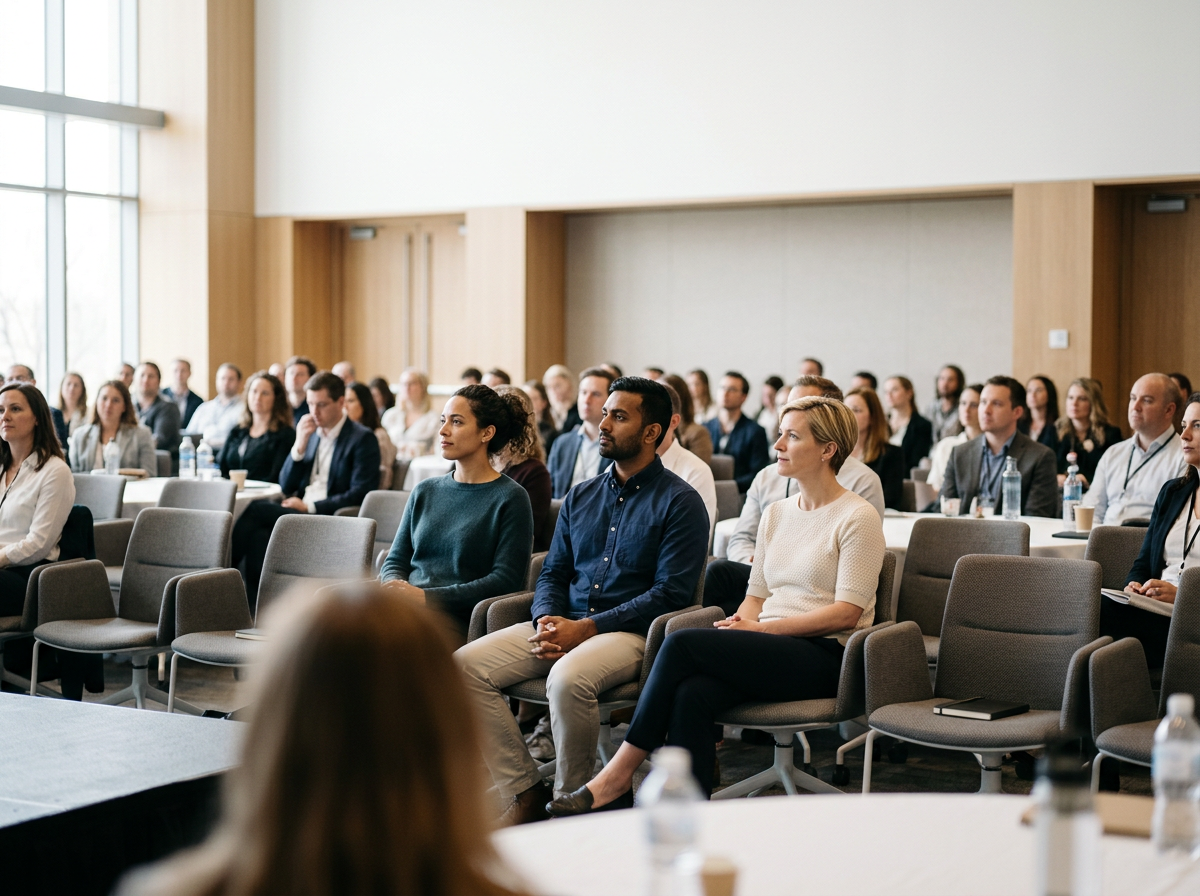
A single-speaker keynote, around 25 -30 minutes, built for leadership conferences, all-staff gatherings, and organisational-development or wellbeing events.
Audiences leave with:
A different way of picturing their organisation — as a living web of relationship, not just a structure
Shared language for something many people sense but rarely name: the living web, shared flourishing, an Act of Ubuntu
A shared way to name what recent change has taken and brought — and navigate it together
A live question to bring back into their own part of the organisation: what possibility here might be inviting exploration, together?
Why Dumi?
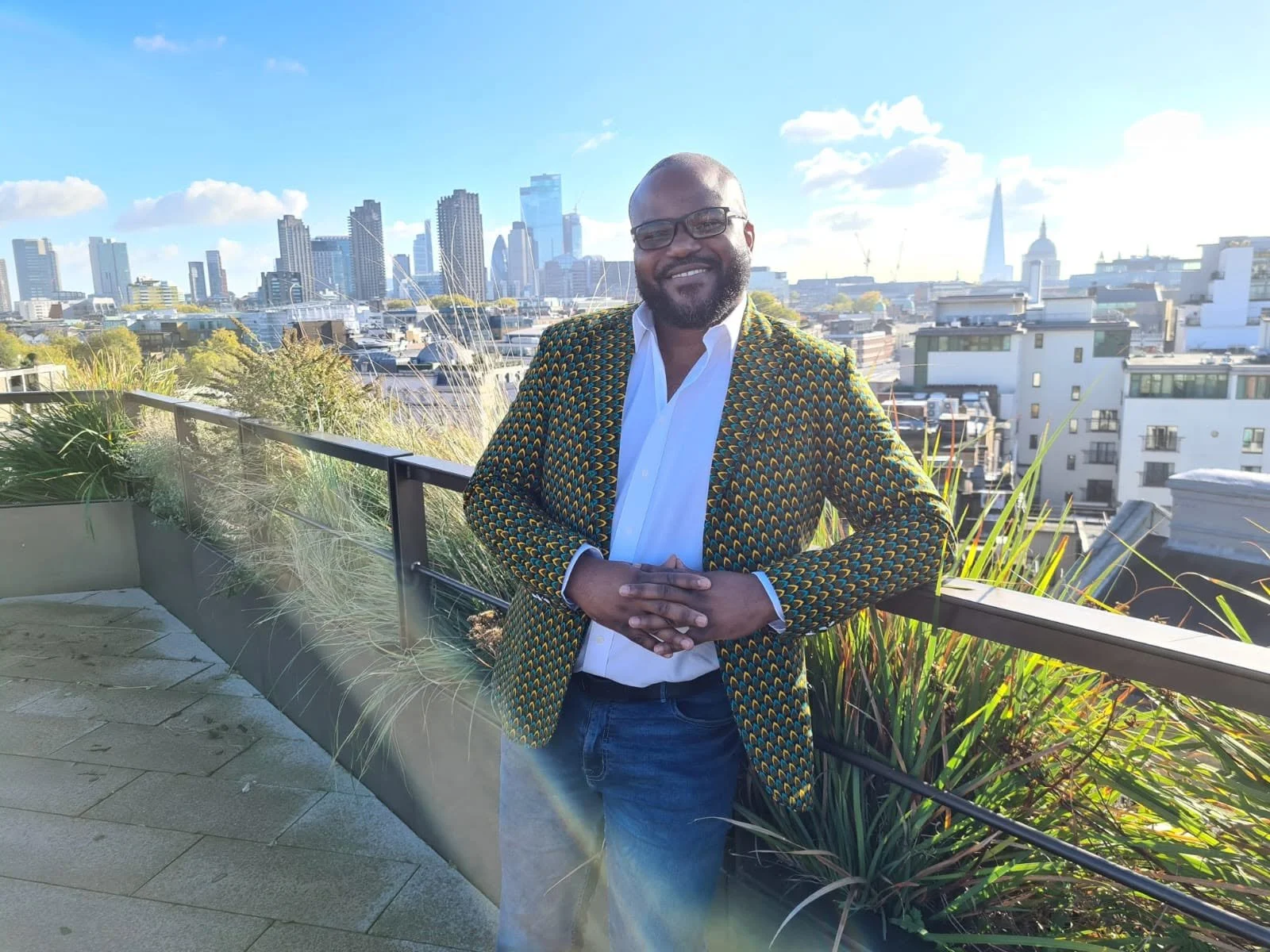
Dumi Senda spent ten years working as a labourer before the path that led him into organisational development, coaching, and his current role leading D&I for BBC England, where his remit spans six super-regions, 3,000+ staff, and audiences of 45 million-plus across TV, radio and online. That experience shaped how he sees organisations — from wherever someone happens to stand within them.
He has delivered keynotes for organisations including the Bank of England, and panelled at the United Nations. He founded The Ubuntu Human Development Company to bring that experience, and thinking drawn from storytelling, peacebuilding, advocacy, education and coaching, into relationship with the realities organisations and their people are already living. Investing in What Matters is one expression of that work.
Because you matter.
They matter.
We matter.
So, why bother?